

Are you thinking about visiting Europe for the first time? Europe is full of history, culture, and beautiful places. It can be exciting but also a bit confusing. This guide will help you plan your first Europe trip easily.
Why Visit Europe?
Europe has many old cities, lovely nature, and tasty food. You can see castles, museums, and famous landmarks. Every country in Europe has its own style and stories. It is like visiting many worlds in one trip.
How Long Should Your Trip Be?
If this is your first time, a trip of 10 to 14 days is good. It gives you enough time to see some cities without rushing. You can visit 3 or 4 cities or countries. But if you want to see more, plan a longer trip.
Choose Your Destinations
Europe has many popular places. For first-timers, here are some good choices:
- Paris, France: The city of lights and love. See the Eiffel Tower and museums.
- Rome, Italy: Full of history with ancient ruins and delicious food.
- London, England: Big city with famous sights like the Big Ben.
- Amsterdam, Netherlands: Beautiful canals and art museums.
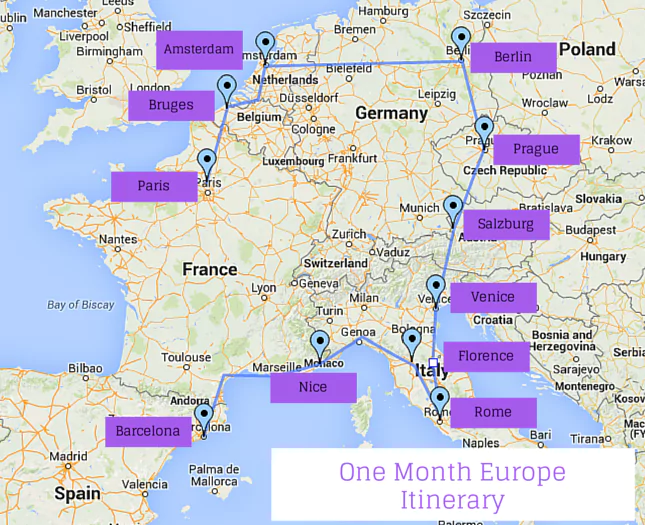
You can pick cities close to each other to save travel time. For example, Paris, Amsterdam, and London are near by train.
Plan Your Route
Traveling between cities is easy in Europe. Trains and buses are common and fast.
| Route | Travel Time by Train | Notes |
|---|---|---|
| Paris to Amsterdam | 3 hours | High-speed trains available |
| Amsterdam to London | 4 hours | Train goes through the Channel Tunnel |
| London to Rome | 6-7 hours (flight recommended) | Long distance, flight saves time |
For long distances, flying can be cheaper and faster. Check budget airlines like Ryanair or EasyJet.
Credit: thetrustedtraveller.com
Where to Stay?
Choosing the right place to stay helps your trip. Here are some tips:
- Stay near city center: Easy to walk to main sights.
- Choose hotels or hostels: Hostels are cheaper and good for meeting people.
- Use booking websites: Compare prices and read reviews.
Book your hotel early to get better prices and options.
What to Pack?
Packing smart makes your trip easier. Here is a simple list:
- Comfortable shoes for walking
- Light clothes and a warm jacket
- Travel adapter for Europe plugs
- Important documents like passport and tickets
- Small backpack for day trips
Pack light. You will move a lot and heavy bags are hard to carry.
Money and Budget
Europe uses many different currencies. The Euro is common, but not in all countries. Check the money used in your chosen places.
Tips for money:
- Use credit cards but keep some cash
- Check if your bank charges fees abroad
- Budget about 50-100 Euros per day for food and tickets
Save money by eating street food or visiting free museums.
Learn Basic Phrases
Learning a few words in local languages helps a lot. Here are some easy phrases:
| English | French | Italian | Dutch | English (UK) |
|---|---|---|---|---|
| Hello | Bonjour | Ciao | Hallo | Hello |
| Thank you | Merci | Grazie | Dank je | Thank you |
| Please | S’il vous plaît | Per favore | Alsjeblieft | Please |
| Yes | Oui | Sì | Ja | Yes |
| No | Non | No | Nee | No |
How to Stay Safe
Europe is mostly safe for travelers. Still, follow these rules:
- Keep your belongings close
- Use official taxis or public transport
- Avoid dark or empty streets at night
- Have a copy of your passport
- Buy travel insurance before your trip
Credit: fullsuitcase.com
Enjoy the Food
Trying local food is part of the fun. Each country has special dishes.
- France: Try croissants, cheese, and wine.
- Italy: Pizza, pasta, and gelato are musts.
- England: Fish and chips or afternoon tea.
- Netherlands: Stroopwafels and cheese.
Look for markets and small restaurants for authentic taste.
What to See in Each City
Paris
- The Eiffel Tower – climb or see from below
- Louvre Museum – home of Mona Lisa
- Notre-Dame Cathedral – old and beautiful church
- Walk along the Seine River
Rome
- Colosseum – ancient arena
- Vatican City – St. Peter’s Basilica and museums
- Trevi Fountain – toss a coin for luck
- Piazza Navona – lively square with fountains
London
- Big Ben and Houses of Parliament
- London Eye – giant Ferris wheel
- Buckingham Palace – watch the guard change
- British Museum – free and full of history
Amsterdam
- Canal tours – see city from water
- Van Gogh Museum – famous art
- Anne Frank House – important history site
- Bike rides – popular way to move
Tips for First Timers
- Start early to avoid crowds
- Take lots of photos but enjoy the moment
- Talk to locals, they are friendly
- Rest well to keep energy
- Be flexible, sometimes plans change
Summary
Planning your first Europe trip can be fun and easy. Pick a few cities, plan your travel, and book your stay. Pack light and carry important documents. Learn some local words. Enjoy the food and sights. Stay safe and keep your money secure. Europe has a lot to offer, and your trip will be full of memories.
Start planning today, and get ready for a great adventure!
Frequently Asked Questions
What Is The Best Time To Visit Europe For First-timers?
Spring and fall offer mild weather and fewer tourists. Summer is busy but great for festivals and outdoor activities.
How Many Countries Can I Visit In A Two-week Europe Trip?
You can comfortably visit 3 to 4 countries in two weeks. Focus on nearby countries to avoid long travel times.
What Are Essential Items To Pack For A Europe Trip?
Pack comfortable shoes, a universal adapter, and weather-appropriate clothes. Don’t forget travel documents and a small day bag.
How Can First-timers Save Money While Traveling In Europe?
Use public transport, book tickets early, and eat at local markets. Many museums offer free entry on certain days.