
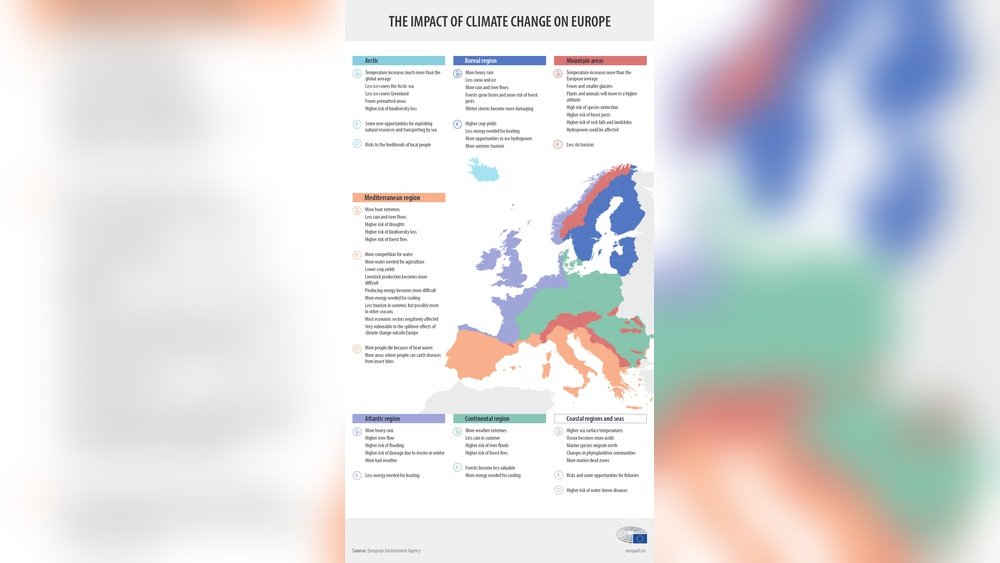
Climate change is a big problem today. It affects the whole world. Europe is one of the places where changes are seen clearly. The weather is different now compared to the past. In this article, we will talk about how climate change impacts Europe. We will look at the problems it causes and why it matters to everyone.
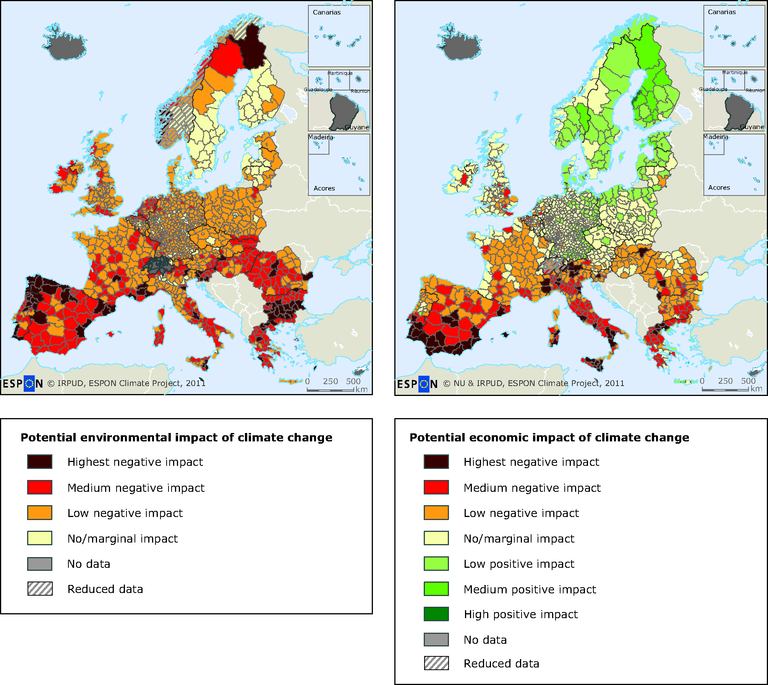
Credit: www.eea.europa.eu
What is Climate Change?
Climate change means long-term changes in the Earth’s weather. This can mean warmer temperatures or more storms. It happens because of gases like carbon dioxide in the air. These gases come from cars, factories, and cutting trees. They trap heat in the atmosphere and make the Earth warmer.

Credit: robinsun.es
How is Europe’s Climate Changing?
Europe is getting warmer faster than many other places. Winters are shorter and less cold. Summers are longer and hotter. Rainfall patterns are changing too. Some areas get more rain, while others get less. These changes cause many problems for people and nature.
Temperature Rise In Europe
Europe’s temperature has increased by about 2 degrees Celsius since the 19th century. This is faster than the global average. Hot days happen more often. Heatwaves, like the one in 2003, cause health problems. Older people and children are more at risk.
Changing Rain And Snow Patterns
Some parts of Europe get more rain now. This can cause floods. Other parts, like southern Europe, get less rain. This leads to droughts. Snowfall is also less in many mountains. This affects water supply and winter sports.
Effects on Nature
Nature in Europe is changing. Plants and animals find it hard to live in new conditions. Some species move to cooler places. Others may disappear. Forests face more pests and diseases because of warmer weather.
Impact On Forests
Forests cover about 40% of Europe’s land. They are important for clean air and homes for animals. Warmer weather brings new bugs that harm trees. Droughts make trees weak. Fires in forests also happen more often.
Wildlife Changes
Birds, fish, and insects move to new areas to find good homes. Some cannot move and may die out. This loss of animals can upset the balance of nature. It can also affect farming and fishing.
Effects on People
Climate change also affects the people of Europe. It changes their health, homes, and jobs. Some places become harder to live in because of floods or heat.
Health Problems
Heatwaves cause heat stroke and dehydration. Allergies get worse because of more pollen in the air. Diseases from insects like mosquitoes may spread to new areas.
Floods And Storms
Heavy rains cause floods. Floods damage homes, roads, and farms. Storms become stronger and more frequent. People lose their homes and face big expenses.
Farming And Food
Weather changes affect crops. Droughts reduce water for plants. Some crops may not grow well in hot weather. This can make food more expensive or less available.
Economic Impact
The effects of climate change cost money. Repairing damage from floods and fires is expensive. Farming losses reduce income for farmers. Health problems increase spending on hospitals and medicines.
Examples of Climate Change Impact in Different Parts of Europe
| Region | Climate Change Impact | Effects |
|---|---|---|
| Southern Europe | More heat and droughts | Water shortages, crop failures, wildfires |
| Northern Europe | Warmer winters, more rain | Floods, changes in wildlife, forest damage |
| Central Europe | Heatwaves and storms | Health risks, crop damage, infrastructure damage |
| Alpine Region | Less snow, melting glaciers | Less water for rivers, impact on tourism |
What is Europe Doing to Fight Climate Change?
Europe knows climate change is serious. Countries work together to reduce harmful gases. They use more clean energy like wind and solar power. Many laws protect forests and nature.
Renewable Energy
Europe is changing from coal and oil to cleaner energy. Solar panels and wind turbines are growing. This helps reduce pollution and slow warming.
Energy Saving
People use better technology to save energy. Buildings are made to use less heat and electricity. This lowers energy bills and pollution.
Protecting Nature
Many parks and natural areas are protected. Trees are planted to absorb carbon dioxide. Wildlife habitats are saved to help animals survive.
Climate Policies
The European Union has rules to cut emissions. Countries set goals to reduce pollution by 2030 and 2050. These plans guide actions and investments.
What Can People Do?
Everyone can help fight climate change. Small actions add up to big changes.
- Use less electricity by turning off lights.
- Walk, bike, or use public transport instead of cars.
- Recycle and reduce waste.
- Plant trees and care for green spaces.
- Support clean energy and local food.
Frequently Asked Questions
What Are The Main Effects Of Climate Change In Europe?
Europe faces rising temperatures, more floods, and droughts. These changes affect farming, health, and wildlife.
How Does Climate Change Affect European Agriculture?
Crop yields drop due to heat and drought. Pests and diseases also spread faster, harming plants.
Which European Countries Suffer Most From Climate Change?
Southern Europe faces droughts, while Northern Europe sees more floods. Each region has unique problems.
How Does Climate Change Impact European Cities?
Cities face heatwaves and flooding. Old drainage can’t handle heavy rain, causing damage.
Conclusion
Climate change is changing Europe’s weather, nature, and people’s lives. It brings heat, floods, and new challenges. But Europe is taking steps to stop it and protect the future. Everyone can join in to make a difference. Together, we can build a safer and cleaner Europe.