
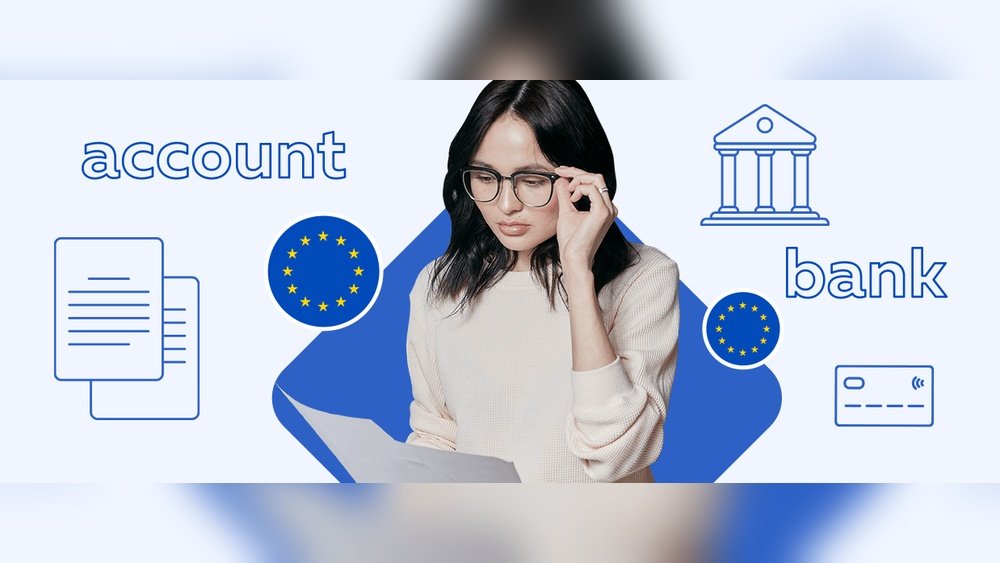
Opening a bank account in Europe can be easy. But, you need to know the right steps. This guide will help you understand how to open a bank account. It will also explain what you need to do.
Why Open a Bank Account in Europe?
There are many reasons to open a bank account in Europe. If you live or work there, it helps manage your money. You can get paid, pay bills, and save money easily. It is safer than carrying cash. Also, you can send money to other countries.
Types of Bank Accounts in Europe
There are two main types of accounts:
- Current Account: This is for everyday use. You can pay bills, withdraw cash, and receive money.
- Savings Account: This helps you save money. It may earn some interest.
Most people start with a current account. Later, they may open a savings account.
Credit: www.powens.com
What You Need Before Opening a Bank Account
Each country and bank can ask for different things. But usually, you need:
- Identification: Passport or national ID card.
- Proof of address: This can be a utility bill or rental contract.
- Proof of income or work: A job contract or payslip.
- Residence permit or visa: If you are not from Europe.
Some banks may ask for more papers. Always check before you visit the bank.
How to Choose a Bank
There are many banks in Europe. You should choose one that fits your needs. Look for:
- Low fees for account maintenance.
- Easy access to ATMs.
- Good online banking services.
- Customer service in your language, if possible.
Some banks are big and well-known. Others are smaller but may offer better service. Take your time to compare banks.

Credit: www.openaeuropeancompany.com
Step-by-Step Guide to Open a Bank Account
Step 1: Choose The Bank
Pick a bank that suits your needs. You can check online or ask friends.
Step 2: Gather Documents
Collect your ID, proof of address, and other needed papers.
Step 3: Visit The Bank Or Apply Online
Many banks let you open an account online. This is fast and easy. But some banks may ask you to come in person.
Step 4: Fill Out The Application
Complete the form. Give correct information. If you do not understand, ask for help.
Step 5: Submit Documents
Show your documents to the bank staff. They will check them.
Step 6: Wait For Approval
The bank may take a few days to approve your account. Be patient.
Step 7: Receive Your Bank Card
Once approved, the bank will give you a card. You can use it to withdraw money and pay.
Opening a Bank Account as a Non-Resident
Some people live outside Europe but want a bank account there. This is called a non-resident account.
Not all banks offer this. You may need more documents, like proof of why you want the account.
Look for banks that accept non-resident customers. They often have special offers.
Online Banks vs. Traditional Banks
Online banks are growing in Europe. They work without physical branches.
Advantages of online banks:
- Lower fees.
- Easy sign-up from anywhere.
- Good mobile apps.
Disadvantages:
- No face-to-face help.
- Some services may be limited.
Traditional banks have branches. You can visit and speak to a person. Choose what is best for you.
Common Costs and Fees
Opening and using a bank account may have some fees. These can include:
| Fee Type | Description |
|---|---|
| Account Maintenance Fee | Monthly or yearly charge for keeping your account. |
| ATM Withdrawal Fee | Charge for withdrawing money from some ATMs. |
| International Transfer Fee | Cost to send money abroad. |
| Card Replacement Fee | Fee for a lost or stolen card replacement. |
Always ask the bank about fees before opening the account.
Tips to Make the Process Easier
- Learn key banking words in the local language.
- Bring a friend who speaks the language.
- Use simple, clear answers when talking to the bank.
- Ask the bank staff to explain if you don’t understand.
- Check if the bank has online support in your language.
What Happens After Opening the Account?
You can start using your account right away. Deposit money, pay bills, and use your card.
Keep your bank documents safe. You may need them later.
Check your bank statements regularly. Look for mistakes or fraud.
Frequently Asked Questions
What Documents Are Needed To Open A Bank Account In Europe?
You need a valid ID or passport, proof of address, and sometimes proof of income. Some banks may ask for additional papers depending on the country.
Can Non-residents Open A Bank Account In Europe?
Yes, many European banks allow non-residents to open accounts. The process may take longer and require extra documents.
How Long Does It Take To Open A European Bank Account?
Opening a bank account usually takes a few days to two weeks. Some banks offer instant or same-day account openings online.
Are There Fees For Opening A Bank Account In Europe?
Most banks do not charge fees to open an account. Monthly or service fees may apply depending on the bank and account type.
Conclusion
Opening a bank account in Europe is not hard. You just need the right papers and to choose a good bank. Follow the steps, and you will have your account soon.
This will help you manage your money better in Europe. Take your time and ask questions when needed.