
Many people dream about moving to Europe. It seems like a place full of history, culture, and new chances. But is moving to Europe really worth it? This article will help you think about the good and the hard parts of living in Europe.
Why Do People Want to Move to Europe?
Europe has many attractions. It has old castles, beautiful cities, and many kinds of food. People also like Europe because it has many countries close together. You can visit many places in a short time.
Also, some people want better jobs or education. Europe has good schools and universities. Some countries have strong economies. This means there can be good job chances for some people.
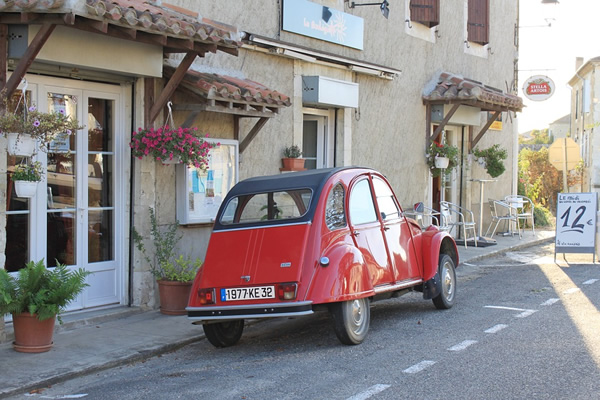
Credit: www.transitionsabroad.com
Good Things About Living in Europe
- Rich Culture: Europe has many cultures. You can learn new languages and customs.
- Travel Opportunities: You can travel easily between countries.
- Good Public Transport: Many cities have trains, buses, and subways.
- Healthcare: Many European countries have good health care systems.
- Education: Schools and universities are often free or low cost.
- Safety: Many parts of Europe are safe and peaceful.
- Nature: You can find mountains, beaches, and forests.
Challenges of Moving to Europe
Moving is not always easy. There are some challenges you should think about before moving.
- Language: Not all people speak English. You may need to learn a new language.
- Cost of Living: Some cities are very expensive. Rent and food can cost a lot.
- Paperwork: You will need visas or permits. This can take time and effort.
- Job Market: Finding a job can be hard. Some jobs need local experience or language skills.
- Culture Shock: Life can feel very different. You may miss your home and family.
- Weather: Some places have cold and rainy weather most of the year.
Cost of Living in Europe
The cost of living changes a lot between countries. Big cities like London or Paris are more expensive. Smaller towns or rural areas are cheaper.
| City | Rent (1-bedroom) | Food | Transport | Total |
|---|---|---|---|---|
| London, UK | £1,200 | £250 | £150 | £1,600 |
| Berlin, Germany | €900 | €200 | €80 | €1,180 |
| Lisbon, Portugal | €700 | €180 | €40 | €920 |
| Budapest, Hungary | €500 | €150 | €30 | €680 |
These prices are only examples. Your costs depend on your lifestyle and location.
Is Europe Good for Work?
Europe has many different job markets. Some countries have strong economies. Others do not. Jobs in technology, health, education, and tourism are often in demand.
But you may need to speak the local language. Some jobs need certificates or training from Europe. It helps to research before you move.
Education in Europe
If you want to study in Europe, it is a good choice. Many universities offer courses in English. Some countries have free education or low fees for students.
There are many options for all ages. Public schools are often free. Private schools cost more but can offer special programs.

Credit: eurousafa.com
Healthcare in Europe
Many European countries have public healthcare. This means the government helps pay for health services. You often pay little or nothing when you see a doctor or go to the hospital.
Private healthcare is also available. It can be faster but costs more.
Living in Different Parts of Europe
Europe is very diverse. Life in northern Europe is different from southern Europe.
| Region | Climate | Cost of Living | Language | Culture |
|---|---|---|---|---|
| North Europe (Sweden, Norway) | Cold, snowy winters | High | Swedish, Norwegian, English | Modern, nature-focused |
| West Europe (France, Germany) | Temperate, rainy | Medium to high | French, German, English | Historic, arts and culture |
| South Europe (Spain, Italy) | Warm, sunny | Medium | Spanish, Italian | Relaxed, food and family |
| East Europe (Poland, Hungary) | Cold winters, warm summers | Low to medium | Polish, Hungarian | Traditional, growing economy |
How to Prepare for Moving to Europe
Planning is very important. Here are some simple steps:
- Research: Learn about the country and city you want to move to.
- Language: Try to learn the local language before moving.
- Paperwork: Check visa and work permit rules.
- Budget: Save money for initial costs like rent and food.
- Job Search: Look for jobs before you move if possible.
- Housing: Find a place to live or temporary housing.
- Health Insurance: Make sure you have coverage.
Final Thoughts: Is Moving to Europe Worth It?
There is no simple answer. Moving to Europe can bring new chances and good experiences. But it can also be hard and costly.
Think about your goals. What do you want from life? What country fits you best? Prepare well and be patient.
Europe is a place of many cultures and chances. For some, it is worth moving. For others, it might not be the best choice.
Take your time. Make a good plan. Then decide if moving to Europe is right for you.
Frequently Asked Questions
Is Moving To Europe Expensive For Newcomers?
Living costs vary by country, with Western Europe generally pricier. Eastern Europe tends to offer more affordable housing and food options.
What Are The Best European Countries To Live In?
Countries like Germany, Spain, and Portugal offer good jobs, safety, and quality of life. Your choice depends on your lifestyle and work goals.
How Easy Is It To Find A Job In Europe?
Job availability depends on your skills and country choice. Some places need workers in healthcare, IT, and teaching.
Do I Need A Visa To Live In Europe?
Visa requirements depend on your nationality and country you want to live in. Check official government websites for accurate details.