
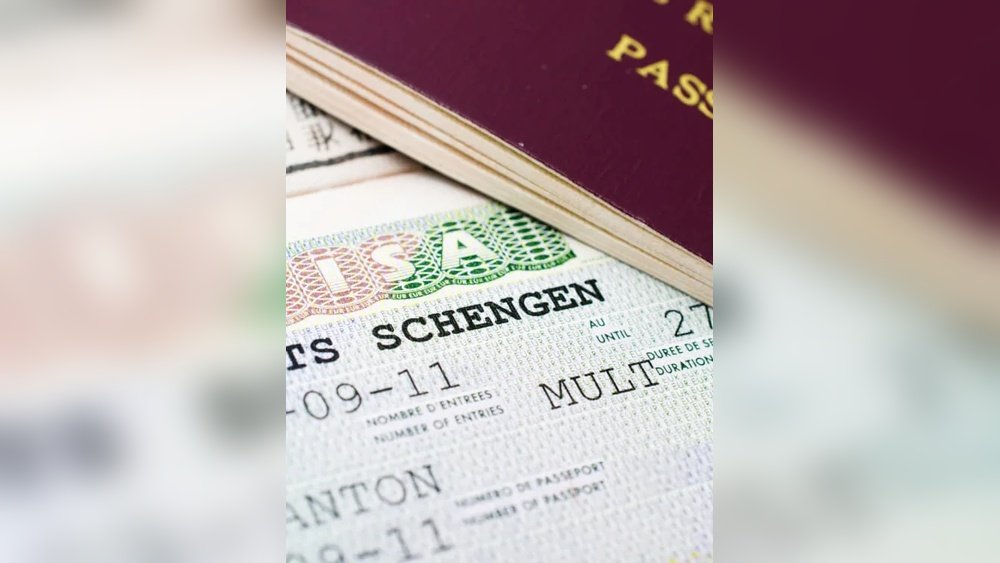
Planning a trip to Europe? Most countries in Europe are part of the Schengen Area. To visit these countries, many travelers need a Schengen visa. This guide will help you understand the process. It explains each step clearly and simply.
What Is a Schengen Visa?
The Schengen visa lets you travel to 26 European countries without many border checks. You can visit countries like France, Germany, Italy, and Spain with one visa. It is good for short stays up to 90 days in 180 days.
Who Needs a Schengen Visa?
If you are from a country outside the European Union, you may need a Schengen visa. Some countries have agreements that let their citizens travel without a visa for short visits. Check your country’s rules before you apply.
Types of Schengen Visas
The most common Schengen visa is the short-stay visa, also called Type C. It is for tourism, business, or family visits. There are other types like:
- Airport Transit Visa (Type A): For passing through international airports in the Schengen Area.
- Long-Stay Visa (Type D): For stays longer than 90 days, like work or study.
Step 1: Check Your Travel Plans
Before applying, decide which countries you want to visit. You must apply to the embassy of the main country you will visit. If you visit multiple countries, apply to the country where you stay the longest. If time is equal, apply to the country of first entry.
Step 2: Prepare Your Documents
Gather all documents needed for your visa application. Required documents usually include:
- Valid passport (with at least two blank pages)
- Completed visa application form
- Recent passport-sized photos
- Travel insurance covering at least 30,000 euros
- Proof of accommodation (hotel booking or invitation letter)
- Flight reservation or travel itinerary
- Proof of financial means (bank statements, payslips)
- Cover letter explaining your trip
Check the embassy website for any extra documents they may ask for.
Step 3: Fill Out the Visa Application Form
Download the visa application form from the embassy website. Fill it out carefully. Write your name, address, and travel dates clearly. Use black or blue pen if you print it. Make sure all information is correct.
Step 4: Book an Appointment
Most embassies require you to book an appointment before submitting your application. Book your appointment online or by phone. Try to book early because appointments can fill up fast.
Step 5: Go to the Visa Interview
On the day of your appointment, bring all your documents. Dress neatly and arrive on time. The officer will ask you questions about your trip. Answer clearly and honestly.
You may also provide fingerprints and a photo at the embassy. This is part of the biometric process.
Step 6: Pay the Visa Fee
You must pay a visa fee when you submit your application. The fee is usually around 80 euros for adults. Children may pay less or be exempt. Check current fees on the embassy website.
Step 7: Wait for Visa Processing
After your interview, wait for the embassy to process your visa. This can take up to 15 calendar days. Sometimes it takes longer, so apply early. The embassy will contact you when your visa is ready.
Step 8: Collect Your Visa
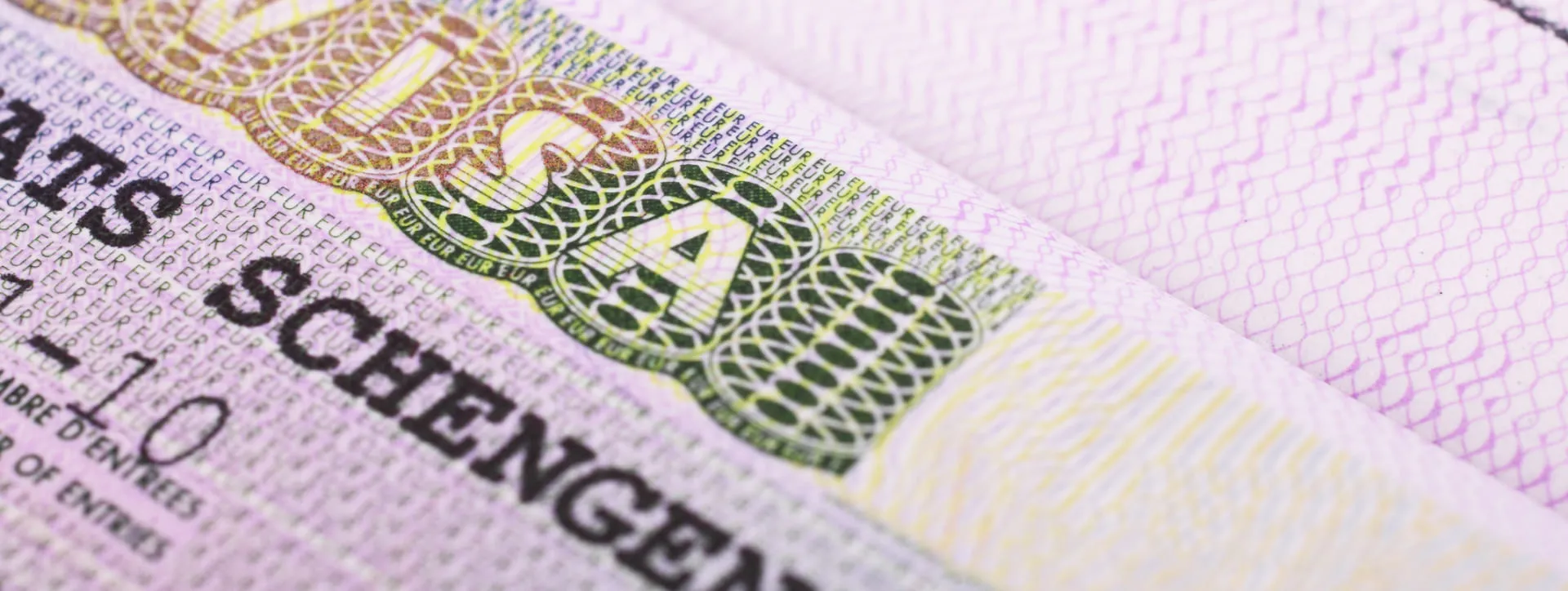
Once your visa is approved, go back to the embassy or visa center to collect it. Check your visa carefully. Look at your name, dates, and number of entries. Make sure all details are correct.
Credit: www.axa-schengen.com
Step 9: Travel to the Schengen Area
With your visa, you can now travel to the Schengen countries. Keep your passport and visa with you at all times. Border officers may ask to see them.
Remember, the visa lets you stay up to 90 days in 180 days.
Important Tips for a Successful Application
- Start your application at least 3 weeks before travel.
- Double-check all documents before submitting.
- Be honest during your interview.
- Keep copies of your documents.
- Buy travel insurance early.
- Follow the embassy’s instructions carefully.
Common Reasons for Visa Refusal
Sometimes, visas get refused. Common reasons include:
- Missing documents
- Incomplete application form
- Insufficient travel insurance
- Not proving enough money for the trip
- Suspicion of staying longer than allowed
To avoid refusal, prepare everything carefully.
Summary of the Schengen Visa Steps
| Step | Action | Key Points |
|---|---|---|
| 1 | Check travel plans | Apply to main country embassy |
| 2 | Prepare documents | Passport, photos, insurance, proof of funds |
| 3 | Fill application form | Write clearly and check details |
| 4 | Book appointment | Online or by phone, early booking advised |
| 5 | Attend interview | Answer questions honestly, provide biometrics |
| 6 | Pay visa fee | Usually 80 euros for adults |
| 7 | Wait for processing | Up to 15 days or more |
| 8 | Collect visa | Check visa details carefully |
| 9 | Travel to Schengen | Carry visa and passport at all times |

Credit: www.youtube.com
Final Thoughts
Getting a Schengen visa can seem difficult. But if you follow these steps, it becomes easier. Prepare your documents well. Apply early. Be honest and clear in your answers. This way, your chance to get the visa is higher.
Frequently Asked Questions
What Documents Are Needed For A Schengen Visa Application?
You need a valid passport, photos, travel insurance, and proof of accommodation. Also, show your travel itinerary and financial proof. These documents help confirm your travel plans and identity.
How Long Does The Schengen Visa Processing Usually Take?
Processing time typically ranges from 15 to 30 days. It depends on the embassy and your nationality. Apply well before your planned travel date to avoid delays.
Can I Visit Multiple Countries With One Schengen Visa?
Yes, one Schengen visa allows travel to all Schengen Area countries. You can move freely within the zone during your visa’s validity. Always check the visa type and duration before traveling.
What Is The Visa Fee For A Schengen Visa Application?
The standard fee is usually around 80 euros for adults. Children between 6 and 12 pay a reduced fee, often 40 euros. Fees may vary slightly by country or visa type.