
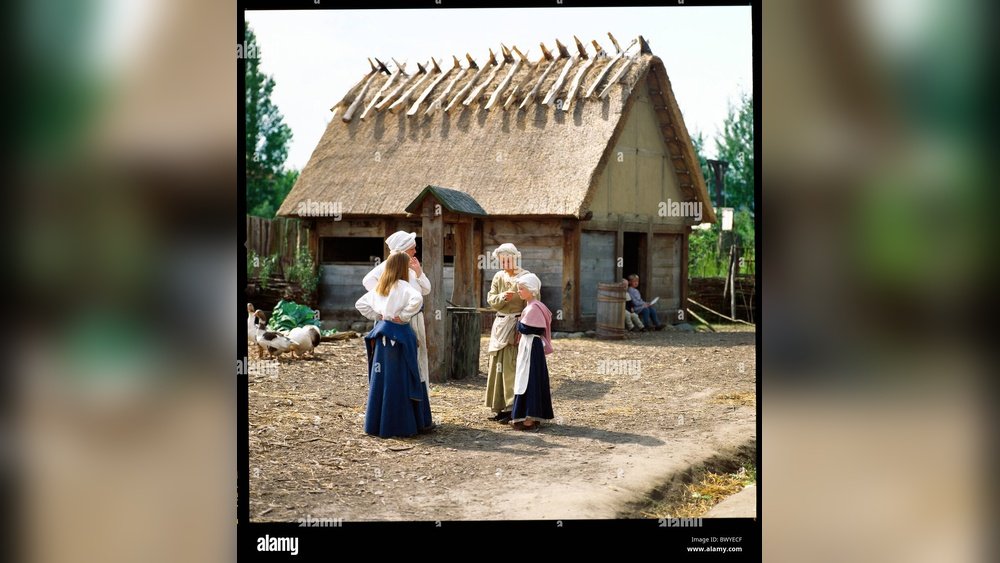
Village life in Europe is calm and peaceful. Many people live in small villages. These places are different from big cities. Villages have their own charm and beauty. They tell stories of old times and traditions. Let us explore what village life is like in Europe.
What is a Village?
A village is a small group of houses. It is smaller than a town or city. Villages are often in the countryside. People in villages usually know each other well. They live close to nature and animals.
Villages have farms, small shops, and churches. Many villages have a town square where people meet. This place is important for social life.
Where Are Villages Found in Europe?
Villages are found all over Europe. From the green hills of Ireland to the mountains of Switzerland. Each village looks different. The houses, food, and clothes can change from place to place.
| Country | Village Example | Special Feature |
|---|---|---|
| France | Saint-Cirq-Lapopie | Medieval streets and stone houses |
| Italy | Manarola | Colorful houses by the sea |
| Germany | Rothenburg ob der Tauber | Well-preserved old town walls |
| Scotland | Plockton | Fishing village with beautiful views |
| Spain | Albarracín | Red stone buildings and narrow streets |
Daily Life in a European Village
Life in a village is simple. Most people know their neighbors. They greet each other every day. The air is fresh and clean. The pace of life is slow and relaxed.
Many villagers work in farming or small shops. They grow vegetables, fruits, and keep animals like cows and chickens. People may also make crafts or cook traditional food.
Morning In The Village
Morning starts early. Birds sing, and the sun rises over hills. Farmers go to fields. Shops open, and children walk to school. The smell of fresh bread fills the air from the village bakery.
Afternoon In The Village
Afternoon is busy with work and chores. Some people rest or meet friends. Children play outside. Villagers often gather at the market or town square. It is a place to share news and stories.
Evening In The Village
Evening is calm and quiet. Families eat dinner together. They often use fresh food from their gardens. After dinner, people relax or talk with neighbors. The night sky is clear, full of stars.
Culture and Traditions in European Villages
Villages keep old traditions alive. Festivals and celebrations happen throughout the year. These events bring the whole village together.
Music, dancing, and local food are important parts of these festivals. People wear traditional clothes. They feel proud of their heritage.
Many villages have special crafts. For example, pottery, weaving, or wood carving. These crafts are passed down from parents to children.

Credit: stablediffusionweb.com
Nature Around European Villages
Villages are close to nature. They have forests, rivers, and hills nearby. People enjoy walking and hiking. They can see animals like deer, rabbits, and birds.
Many villages have gardens and small farms. These places grow fresh vegetables and flowers. Villagers respect the land and take care of it.
Advantages of Village Life in Europe
- Peaceful Environment: Less noise and pollution.
- Close Community: People know and help each other.
- Fresh Food: Many grow their own vegetables.
- Beautiful Nature: Clean air and green spaces.
- Rich Traditions: Festivals and crafts keep culture alive.
Challenges of Village Life
Life in villages is not always easy. Some villages are far from big cities. This means fewer jobs and schools. Young people often move to cities for work.
Sometimes, public transport is limited. Villagers may need cars to travel. Also, some villages have fewer shops and hospitals.
How Village Life is Changing
Village life in Europe is changing slowly. Some people want modern comforts. New technology like the internet is reaching villages.
Tourism is also growing. Visitors come to see the beauty and culture. This helps the local economy but also brings new challenges.

Credit: www.youtube.com
Famous European Villages to Visit
If you want to see village life, here are some places to visit:
- Hallstatt, Austria: A village by a lake with stunning views.
- Giethoorn, Netherlands: Known as the “Venice of the North” with canals instead of roads.
- Cesky Krumlov, Czech Republic: A medieval village with a big castle.
- Bled, Slovenia: A village with a beautiful lake and island church.
- Vernazza, Italy: A colorful fishing village on the coast.
Frequently Asked Questions
What Is Daily Life Like In European Villages?
Village life in Europe is peaceful and slow-paced. People enjoy close community ties and nature around them.
How Do European Villages Preserve Their Traditions?
Villages keep old customs alive through festivals, crafts, and local food. These help keep culture strong.
What Are Common Jobs In European Villages?
Most villagers work in farming, small shops, or tourism. Many also craft handmade goods or work locally.
Why Do Many People Visit European Villages?
Visitors come for fresh air, calm, and beautiful scenery. Historic buildings and local food attract tourists too.
Conclusion
Village life in Europe offers a quiet and simple way of living. It shows the beauty of nature and tradition. People enjoy close communities and peaceful days.
Though there are challenges, villages remain important. They keep history and culture alive. Visiting or living in a village gives a special experience. It reminds us of the value of calm and connection with others.